FabulousFusionFood's Spice Guide for Fennel Home Page
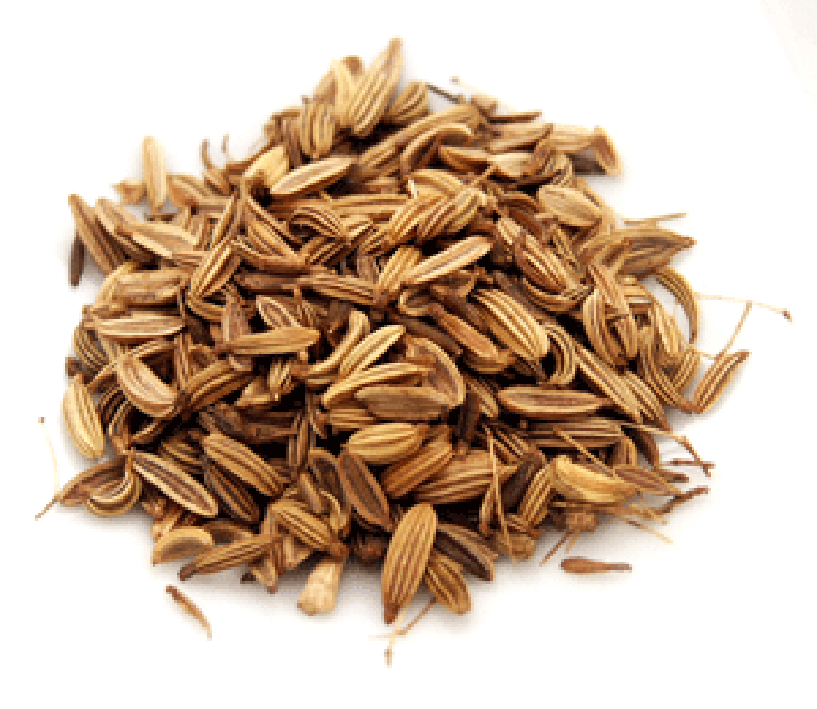 The seeds (fruit) of
the fennel plant,
Foeniculum
vulgare.
The seeds (fruit) of
the fennel plant,
Foeniculum
vulgare.
Welcome to the summary page for FabulousFusionFood's Spice guide to Fennel along with all the Fennel containing recipes presented on this site, with 202 recipes in total.
This is a continuation of an entire series of pages that will, I hope, allow my visitors to better navigate this site. As well as displaying recipes by name, country and region of origin I am now planning a whole series of pages where recipes can be located by meal type and main ingredient. This page gives a listing of all the spice-based recipes added to this site.
These recipes, all contain Fennel as a major flavouring.
Fennel (also known as Sweet Cumin), Foeniculum vulgare is a species in the Apiaceae (also known as umbellifearae) family, which also includes carrots, cumin, caraway and fennel. It is an aromatic perennial herb, a native of southern Europe and south-western Asia that can grow to 2m tall. The leaves grow up to 40 cm long and are finely dissected and frond-like. The flowers are produced in terminal compound umbels 5—15 cm wide, each umbel section with 20—50 tiny yellow flowers on short pedicels. Once fertilized these form dry fruit some 4–9mm long and it is these that are used as a spice (and which are commonly mis-named fennel seeds).
Fennel is widely cultivated both in its native range and elsewhere of for its edible, strongly flavoured leaves and seeds. The flavour is similar to that of anise and star anise, though usually not so strong. Once cultivar, Florence Fennel (F vulgare Azoricum) has inflated leaf bases that form a bulb-like structure ad the plant's base. It comes mainly from India and Egypt and it has a mild anise-like flavour, but is more aromatic and sweeter.
The bulb, as well as the leaves and the fruit are all edible. Dried fennel seeds are an aromatic, anise-flavoured spice which are brown or green in colour when fresh, and slowly turn a dull grey as the seed ages. For cooking, green seeds are optimal. Many cultures in the Indian subcontinent and the Middle East incorporate fennel seed into their culinary traditions. It is an essential ingredient in the Bengali spice mixture panch phoron and in Chinese five-spice powders. In the west, fennel seed is a very common ingredient in Italian sausages and northern European rye breads. Etymologically, the word fennel developed from Middle English fenel, fenyl iself derived from the Latin fœniculum a diminutive of fœnum (hay).
The fennel fruit are sweet and aromatic, similar to anise; they are often married with fish dishes. Interestingly, fennel pollen is also sometimes used as a spice and known as 'spice of the angels', has a subtle fennel flavour, lacking some of the sweetness but with a distinct note of pine needles (pollen, being easily damaged by heat should be added only towards the end of cooking). The essential oil of the most important fennel variety (var. dulce) contains anethole (50 to 80%), limonene (5%), fenchone (5%), estragole (methyl chavicol), safrole, α-pinene (0.5%), camphene, β-pinene, β-myrcene and p-cymene. In contrast, the uncultivated form (var. vulgare) contains often more essential oil, but since it is characterized by the bitter fenchone (12 to 22%), it is of little value.
The pant became popular in Europe during the Middle Ages, as it spread northwards from its native Mediterranean home with the spread of the monasteries. Etymologically, the word fennel developed from Middle English fenel, fenyl itself derived from the Latin fœniculum (literally 'little hay') a diminutive of the Latin fœnum (hay).
The bulb, as well as the leaves and the fruit are all edible. Dried fennel seeds are an aromatic, anise-flavoured spice which are brown or green in colour when fresh, and slowly turn a dull grey as the seed ages. For cooking, green seeds are optimal. Many cultures in the Indian subcontinent and the Middle East incorporate fennel seed into their culinary traditions. It is an essential ingredient in the Bengali spice mixture panch phoron and in Chinese five-spice powders. In the west, fennel seed is a very common ingredient in Italian sausages and northern European rye breads. Interestingly, fennel pollen is sold in Italy as a specialist (and rather expensive) spice.
This is a continuation of an entire series of pages that will, I hope, allow my visitors to better navigate this site. As well as displaying recipes by name, country and region of origin I am now planning a whole series of pages where recipes can be located by meal type and main ingredient. This page gives a listing of all the spice-based recipes added to this site.
These recipes, all contain Fennel as a major flavouring.
Fennel (also known as Sweet Cumin), Foeniculum vulgare is a species in the Apiaceae (also known as umbellifearae) family, which also includes carrots, cumin, caraway and fennel. It is an aromatic perennial herb, a native of southern Europe and south-western Asia that can grow to 2m tall. The leaves grow up to 40 cm long and are finely dissected and frond-like. The flowers are produced in terminal compound umbels 5—15 cm wide, each umbel section with 20—50 tiny yellow flowers on short pedicels. Once fertilized these form dry fruit some 4–9mm long and it is these that are used as a spice (and which are commonly mis-named fennel seeds).
Fennel is widely cultivated both in its native range and elsewhere of for its edible, strongly flavoured leaves and seeds. The flavour is similar to that of anise and star anise, though usually not so strong. Once cultivar, Florence Fennel (F vulgare Azoricum) has inflated leaf bases that form a bulb-like structure ad the plant's base. It comes mainly from India and Egypt and it has a mild anise-like flavour, but is more aromatic and sweeter.
The bulb, as well as the leaves and the fruit are all edible. Dried fennel seeds are an aromatic, anise-flavoured spice which are brown or green in colour when fresh, and slowly turn a dull grey as the seed ages. For cooking, green seeds are optimal. Many cultures in the Indian subcontinent and the Middle East incorporate fennel seed into their culinary traditions. It is an essential ingredient in the Bengali spice mixture panch phoron and in Chinese five-spice powders. In the west, fennel seed is a very common ingredient in Italian sausages and northern European rye breads. Etymologically, the word fennel developed from Middle English fenel, fenyl iself derived from the Latin fœniculum a diminutive of fœnum (hay).
The fennel fruit are sweet and aromatic, similar to anise; they are often married with fish dishes. Interestingly, fennel pollen is also sometimes used as a spice and known as 'spice of the angels', has a subtle fennel flavour, lacking some of the sweetness but with a distinct note of pine needles (pollen, being easily damaged by heat should be added only towards the end of cooking). The essential oil of the most important fennel variety (var. dulce) contains anethole (50 to 80%), limonene (5%), fenchone (5%), estragole (methyl chavicol), safrole, α-pinene (0.5%), camphene, β-pinene, β-myrcene and p-cymene. In contrast, the uncultivated form (var. vulgare) contains often more essential oil, but since it is characterized by the bitter fenchone (12 to 22%), it is of little value.
The pant became popular in Europe during the Middle Ages, as it spread northwards from its native Mediterranean home with the spread of the monasteries. Etymologically, the word fennel developed from Middle English fenel, fenyl itself derived from the Latin fœniculum (literally 'little hay') a diminutive of the Latin fœnum (hay).
The bulb, as well as the leaves and the fruit are all edible. Dried fennel seeds are an aromatic, anise-flavoured spice which are brown or green in colour when fresh, and slowly turn a dull grey as the seed ages. For cooking, green seeds are optimal. Many cultures in the Indian subcontinent and the Middle East incorporate fennel seed into their culinary traditions. It is an essential ingredient in the Bengali spice mixture panch phoron and in Chinese five-spice powders. In the west, fennel seed is a very common ingredient in Italian sausages and northern European rye breads. Interestingly, fennel pollen is sold in Italy as a specialist (and rather expensive) spice.
The alphabetical list of all Fennel recipes on this site follows, (limited to 100 recipes per page). There are 202 recipes in total:
Page 1 of 3
| Achari Masala Origin: India | Biryani Masala Origin: Pakistan | Creamy Chestnut Soup Origin: France |
| Achari Roast Chicken Origin: Pakistan | Bis Riha (Maldives Egg Curry) Origin: Maldives | Creamy Monkfish and Shellfish Potpie Origin: Britain |
| Ak-Ni Korma Origin: India | Black Curry Powder Origin: Sri Lanka | Crocodile Sandakkan Origin: Malaysia |
| Aliter cucumeres (Cucumber with Fennel Seed) Origin: Roman | Bo-Kaap Kerrie (Cape Malay Curry) Origin: South Africa | Curry Mouan (Chicken Curry) Origin: Cambodia |
| Aliter in Apro III (Wild Boar, Another Way III) Origin: Roman | Bo-Kaap Kerrie Poeier (Cape Malay Curry Powder) Origin: South Africa | Durban Cornish Hen Curry Origin: South Africa |
| Aliter in Vitulina Elixa (Sauce for Boiled Veal, Another Way) Origin: Roman | Bombay Egg and Potato Curry Origin: Anglo-Indian | Durban Fish Masala Origin: South Africa |
| Aliter tisanam (Barley Soup, Another Way) Origin: Roman | Bottle Masala Origin: India | Durban Leaf Masala Origin: South Africa |
| Amchar Masala Origin: Trinidad | Bouillabaisse II Origin: France | Egg Pilau Origin: India |
| Amchar Masala Origin: Trinidad | Bouillabaisse III Origin: France | Egg Wrack Capers Origin: Britain |
| Anardana goli II Origin: India | Cambaabur Origin: Djibouti | Eight-day Spiced Beef Origin: Britain |
| Andhra Kodi Kura (Andhra Chicken Curry) Origin: India | Cambaabur Origin: Somalia | Epityrum (Olives with Herbs) Origin: Roman |
| Anguillan Barbecue Sauce Origin: Anguilla | Camel Nihari Origin: Pakistan | Fijian Palao Masala Origin: Fiji |
| Antillean Barbecue Sauce Origin: Sint Maarten | Cape Curry Powder Origin: South Africa | Five-spice Pickled Vegetable Achara Origin: Philippines |
| Antillean Barbecue Sauce Origin: Guadeloupe | Cape Malay Seafood Curry Origin: South Africa | Gambas ou langoustines au pastis (Prawns or Langoustines with Pastis) Origin: Monaco |
| Antillean Barbecue Sauce Origin: Martinique | Cari Poisson (Mauritian Fish Curry) Origin: Mauritius | Gebraaide Hoender (Spiced Roast Chicken) Origin: South Africa |
| Antillean Barbecue Sauce Origin: Saint-Martin | Carlin Pea and Glazed Halloumi Saag Origin: Britain | Ghanaian Curry Powder Origin: Ghana |
| Antillean Barbecue Sauce Origin: Saint Barthelemy | Carlin Pea, Pearl Barley and Tomato Stew Origin: Britain | Goan Lamb Xacutti Origin: India |
| Aper ita conditur (Seasoned Wild Boar) Origin: Roman | Cauliflower, Mushroom and Carlin Peas Curry Origin: Britain | Grilled Mackerel with Spicy Dahl Origin: South Africa |
| Arni Gemisto me Horta ke Feta (Leg of Lamb Stuffed with Greens and Feta) Origin: Greece | Cavolo Agra (Cabbage with Bacon and Fennel Seeds) Origin: Italy | Grilled Oysters with Fennel Crumbs Origin: South Africa |
| Assam Fish Curry Origin: Malaysia | Cayman Curry Powder Origin: Cayman Islands | Gruem vel anatem (Crane or Duck in Spiced Gravy) Origin: Roman |
| Ayam Goreng (Malaysian Fried Chicken) Origin: Malaysia | Chaat Masala Origin: India | Guinness Beer Bread Origin: Ireland |
| Ayam Panggang Origin: Christmas Island | Chaat Masala Indian Spice Blend Origin: India | Gulha Riha (Maldives Fish Ball Curry) Origin: Maldives |
| Bột Cary (Vietnamese Curry Powder) Origin: Vietnam | Chettinad Fish Fry Origin: India | Gurnard Curry Origin: Britain |
| Bakeapple Chicken Curry Origin: Canada | Chevra Origin: South Africa | Henan Hu La Tang (Hot Pepper Soup) Origin: China |
| Bambukeyo Bongara (Maldives Breadfruit Curry) Origin: Maldives | Chicken Chettinad Origin: India | Herbes de Provence Origin: France |
| Banana leaf mackerel Origin: Sri Lanka | Chicken Kottu Roti Origin: Sri Lanka | Hot Jalfrezi Spices Origin: African Fusion |
| Bara Pot Clai Bacheldre (Bacheldre Clay-pot Bread) Origin: Welsh | Chicken Mappas Origin: India | Hotpot Porc Cymreig, Chorizo a Ffa Gwynion (Welsh Pork, Chorizo and White Bean Hotpot) Origin: Welsh |
| Barberry Juice Origin: Britain | Chinese Five Spice Origin: China | In Struthione elixo (Boiled Ostrich) Origin: Roman |
| Bashi Hiki Riha (Maldives Aubergine Curry) Origin: Maldives | Cocos Islands Ayam Goreng (Malaysian-style Fried Chicken) Origin: Cocos Islands | Indian Mustard Curry Paste Origin: India |
| Bedmi Aloo Origin: India | Compost Origin: England | Ius in Cervum (Sauce for Venison) Origin: Roman |
| Bermuda Curry Powder Origin: Bermuda | Cornelian Cherry Conserve Origin: British | Ius in elixam (Sauce for Boiled Meats) Origin: Roman |
| BIR Chicken Chettinad Origin: Britain | Country Pork Terrine Origin: England | Kaak Malih (Yeasted Almond Biscuits) Origin: Libya |
| BIR Chicken Phaal Origin: Britain | Couscous de Timbuktu Origin: Mali | |
| BIR Lamb Chettinad Origin: Britain | Crackled Pork Belly with Fennel and Apple Slaw Origin: Britain |
Page 1 of 3