FabulousFusionFood's Spice Guide for Cassia Home Page
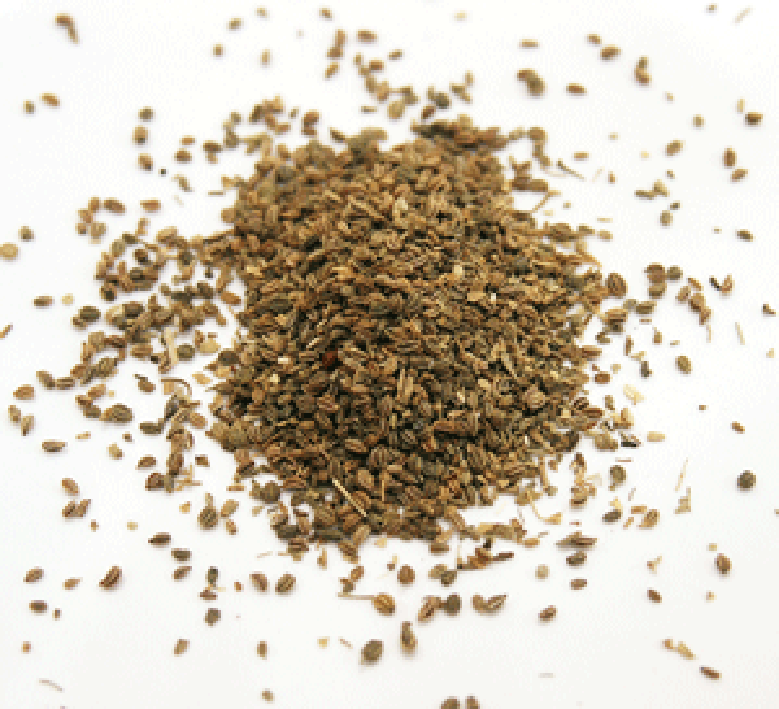 Celery seeds, the
seeds of the celery
plant, Apium
graveolens
dulce.
Welcome to the summary page for FabulousFusionFood's Spice guide to Cassia along with all the Cassia containing recipes presented on this site, with 198 recipes in total.
This is a continuation of an entire series of pages that will, I hope, allow my visitors to better navigate this site. As well as displaying recipes by name, country and region of origin I am now planning a whole series of pages where recipes can be located by meal type and main ingredient. This page gives a listing of all the spice-based recipes added to this site.
These recipes, all contain Cassia as a major flavouring.
Celery seeds are the fruit of the Celery plant, Apium graveolens, a herbaceous biennial plant in the family Apiaceae (Umbellifarae) a huge family that contains carrots, cumin, caraway and fennel. It is native to the coasts of southern and western Europe and in the wild it is most commonly found in ditches and saltmarshes. It grows to 1 m tall, with pinnate to bipinnate leaves with rhombic leaflets 3–6 cm long and 2–4 cm broad. The flowers are creamy-white, 2–3 mm in diameter that are produced in dense compound umbels. The name Celery derives from the Greek selinon (parsley) via the Latin sedano.
Today, celery is most typically used as a vegetable but celery seed is used as a spice. They add greatly to the flavour of potatoes and are especially potato salad. The seeds can also be used in salad dressings, sauces and gravies. However, celery seeds do have a strong celery-like flavour (and a slightly bitter aftertaste) and should be used sparingly so as not to overwhelm a dish.
Celery has been cultivated in Europe (particularly the Mediterranean) for at least 3000 years. Romans were particularly fond of this spice (it appears frequently in the Apician cookbook). Though the Romans probably used the fruit of wild celery (they used alexanders where we would use celery today) which is much more bitter than modern celery seeds.
The flowers are creamy-white, 2-3 mm in diameter that are produced in dense compound umbels. The name Celery derives from the Greek selinon (parsley). Celery is used as a vegetable but celery seed is used as a spice. They add great flavour to potatoes, especially potato salad. The seeds can also be used in salad dressings, sauces and gravies. However, celery seeds do have a strong celery-like flavour and should be used sparingly so as not to overwhelm a dish.
Celery has been used since ancient times, and it is recorded in Roman literature. However, compared to their ancient antecedents, modern celery cultivars have been bred to significantly reduce their bitter constituents.
Celery oil is dominated by terpenes, mostly limonene (70 to 80%) and the sesquiterpenes β‑selinene (10%) and humulene; but its characteristic fragrance is caused by phthalides (3‑butylphthalid and its 5,6‑dihydro derivate sedanenolid), although the latter occur only in traces. Celery also contains the furano‑coumarin bergaptene which is a potent photosensitizer and may cause photo-dermatitis (skin irritation on light exposure) in susceptible individuals.
It should be noted that in most commercial packages, what is sold as 'celery seed' is actually lovage seed, as lovage has a stronger aroma and taste and keeps its flavour for a greater time, meaning it has a longer shelf-life.
The alphabetical list of all Cassia recipes on this site follows, (limited to 100 recipes per page). There are 198 recipes in total:
Page 1 of 2
| Ad Aves Hircosas Omni Genere (How to Prepare 'High' Birds of Any Kind) Origin: Roman | Aliter Patina de Asparagis II (A Dish of Asparagus, Another Way II) Origin: Roman | Hydrogarata Isicia sic Facies (Boiled Forcemeat with Fish-sauce) Origin: Roman |
| Advieh Torshi (Persian Pickle Spice Blend) Origin: Iran | Aliter Phoenicoptero (Flamingo, Another Way) Origin: Roman | Hypotrimma (Condiment Sauce) Origin: Roman |
| Aliter Assaturas (Another Sauce for Roast Meat) Origin: Roman | Aliter Pisa Sive Faba (Peas or Beans, Another Way) Origin: Roman | In copadiis ius album (White Sauce for Choice Cuts) Origin: Roman |
| Aliter assaturas (Roast Meats, Another Way) Origin: Roman | Aliter Rapas (Vegetable Purée with Alexanders) Origin: Roman | In ficato oenogarum (Livers of Animals Fattened on Figs, Another Way) Origin: Roman |
| Aliter Avem (Birds, Another Way) Origin: Roman | Aliter Sepias (Cuttlefish, Another Way) Origin: Roman | In ficato oenogarum (Wine Sauce for the Livers of Animals Fattened on Figs) Origin: Roman |
| Aliter Cucumeres Rasos (Peeled Cubumbers, Another Way) Origin: Roman | Aliter Sphondylos II (Parsnips, Another Way II) Origin: Roman | In Lolligine Farsili (Stuffed Squid) Origin: Roman |
| Aliter Gruem vel Anatem (Crane or Duck, Another Way) Origin: Roman | Aliter Tubera II (Truffles, Another Way II) Origin: Roman | In Ostreis (Of Oysters) Origin: Roman |
| Aliter Haedinam sive Agninam Excaldatam (Stew of Kid or Lamb) Origin: Roman | Amulatum Aliter II (Another Thick Sauce II) Origin: Roman | In Ovis Hapalis (Of Soft-boiled Eggs) Origin: Roman |
| Aliter Haedinam sive Agninam Excaldatam (Stew of Kid or Lamb, Another Way) Origin: Roman | Anserem Elixum Calidum ex Iure Frigido Apiciano (Boiled Goose, Served Hot with Cold Apician Sauce) Origin: Roman | In Perdice (Of Partridge) Origin: Roman |
| Aliter in Apro II (Wild Boar, Another Way II) Origin: Roman | Aper ita conditur (Seasoned Wild Boar) Origin: Roman | In perdice (Boiled Partridge) Origin: Roman |
| Aliter in Apro III (Wild Boar, Another Way III) Origin: Roman | Apple Coleslaw Origin: Britain | In Perdice et Attagena et in Turture (Of Partridge, Hazel Hen and Turtledove) Origin: Roman |
| Aliter In Aprum Assum Iura Ferventia Facies Sic (Hot Sauce for Roast Wild Boar, Another Way) Origin: Roman | Bermudan Spinach Salad Origin: Bermuda | In Piscibum Elixis (Of Poached Fish) Origin: Roman |
| Aliter in Elixis Palumbis sive Columbis (Sauce for Boiled Wood Pigeons and Doves) Origin: Roman | Boletos Aliter (Boletes, Another Way II) Origin: Roman | In Sepia Farsili (Sauce for Stuffed Cuttlefish) Origin: Roman |
| Aliter in grue vel in anate vel in pullo (Roast Duck with Damson Sauce) Origin: Roman | Caccabinam Fusilem (Fluid Casserole) Origin: Roman | In Struthione Elixo (Of Boiled Ostrich) Origin: Roman |
| Aliter in Grue vel Qnate Elixa (Sauce for Boiled Crane or Duck, Another Way II) Origin: Roman | Celery Vinegar Origin: British | In Torpedine Elixa (Sauce for Boiled Ray) Origin: Roman |
| Aliter in Gruem vel Anatem Elixam (Sauce for Boiled Crane or Duck, Another Way) Origin: Roman | Chilli Chow-Chow Origin: African Fusion | In Vitulinam Elixam (Boiled Veal) Origin: Roman |
| Aliter in Locusta (Another Sauce for Lobster) Origin: Roman | Chow-Chow Origin: American | In Vulva [et] Sterili ([Sauce] for Sterile Sow's Womb) Origin: Roman |
| Aliter in Palumbis sive Columbis (Sauce for Boiled Wood Pigeons and Doves, Another Way) Origin: Roman | Conchicla Commodiana (Legumes à la Commodus) Origin: Roman | Indonesian Island-style Curry Powder Origin: Indonesia |
| Aliter in Palumbis sive Columbis II (Sauce for Boiled Wood Pigeons and Doves, Another Way II) Origin: Roman | Conchiclam de Pisa Simplici (A Dish of Plain Peas) Origin: Roman | Irish Kidney Soup Origin: Ireland |
| Aliter In Struthione Elixo (Of Boiled Ostrich, Another Way) Origin: Roman | Conchiclatus Pullus vel Porcellus (Chicken or Suckling Pig Stuffed with Legumes) Origin: Roman | Isicia Amulata a Balineo sic Facies (Meatballs with Starch Cooked in a Pan) Origin: Roman |
| Aliter in Vitulina Elixa (Sauce for Boiled Veal, Another Way) Origin: Roman | Cream of Potato Soup Origin: American | Isicia de Cerebellis (Brain Dumplings) Origin: Roman |
| Aliter Isicia II (Another Sausage II) Origin: Roman | Creole Mustard Origin: Louisiana | Isicia de lolligine (Squid Rissoles) Origin: Roman |
| Aliter Ius Alexandrinum in Pisce Asso (Another Alexandrine Sauce for Baked Fish) Origin: Roman | Creole Seasoning Origin: USA | Isicia Marina (Seafood Patties) Origin: Roman |
| Aliter Ius Alexandrinum in Pisce Asso II (Another Alexandrine Sauce for Baked Fish II) Origin: Roman | Cucurbitas cum Gallina (Gourds with Chicken) Origin: Roman | Item Pisces Frixos (Fried Fish, In the Same Manner) Origin: Roman |
| Aliter ius candidum in copadiis (White Sauce for Choice Cuts, Another Way) Origin: Roman | Cymas et Cauliculos (Baby Greens in a Celery Mint Sauce) Origin: Roman | Iura Ferventia in Cervo (Hot Sauce for Venison) Origin: Roman |
| Aliter ius candidum in elixam (Another White Sauce for Boiled Meats) Origin: Roman | Embamma in Cervinam Assam (Marinade for Roast Venison) Origin: Roman | Ius Album in Assum Leporem (Roast Hare in White Sauce) Origin: Roman |
| Aliter Ius Frigidum in Aprum Elixum (Cold Sauce for Boiled Wild Boar, Another Way) Origin: Roman | Frontinianum Porcellum (Suckling Pig Stewed in Wine) Origin: Roman | Ius album in copadiis (White Sauce for Choice Cuts II) Origin: Roman |
| Aliter Ius in Avibus (Sauce for Birds, Another Way) Origin: Roman | Frontinianum Porcellum (Suckling Pig à la Fronto) Origin: Roman | Ius Alexandrinum in Pisce Asso (Alexandrine Sauce for Baked Fish) Origin: Roman |
| Aliter Ius in Murena Assa (Sauce for Grilled Moray Eel, Another Way) Origin: Roman | Gruem vel anatem (Crane or Duck in Spiced Gravy) Origin: Roman | Ius Candidum in Ansere Elixo (White Sauce for Boiled Goose) Origin: Roman |
| Aliter Ius in Murena Assa II (Sauce for Grilled Moray Eel, Another Way II) Origin: Roman | Gustum de Holeribus (Vegetable Relish) Origin: Roman | Ius Candidum in Avem Elixam (White Sauce for a Boiled Bird) Origin: Roman |
| Aliter Ius in Murena Elixa (Another, Sauce for Poached Moray Eel) Origin: Roman | Gustum Versatile (Turnover Antipasto) Origin: Roman | Ius Frigidum in Aprum Elixum (Cold Sauce for Boiled Wild Boar) Origin: Roman |
| Aliter Ius in Murena Elixa II (Another, Sauce for Poached Moray Eel II) Origin: Roman | Haedum Laureatum ex Lacte (Suckling Kid Crowned with Laurel and Milk [Sausage]) Origin: Roman | Ius Frigidum in Ovifero (Cold Sauce for Wild Sheep) Origin: Roman |
| Aliter Ius in Pisce Elixo (Another Sauce for Poached Fish) Origin: Roman | Haedus sive Agnus Syringiatus (Boned Suckling Kid or Lamb) Origin: Roman | |
| Aliter Leporem ex Suo Iure (Another, Hare in its Own Gravy) Origin: Roman | Holus Molle ex Foliis Lactucarum cum Cepis (Vegetable Purée with Lettuce Leaves and Onions) Origin: Roman |
Page 1 of 2