FabulousFusionFood's Drinks Recipes 2nd Page
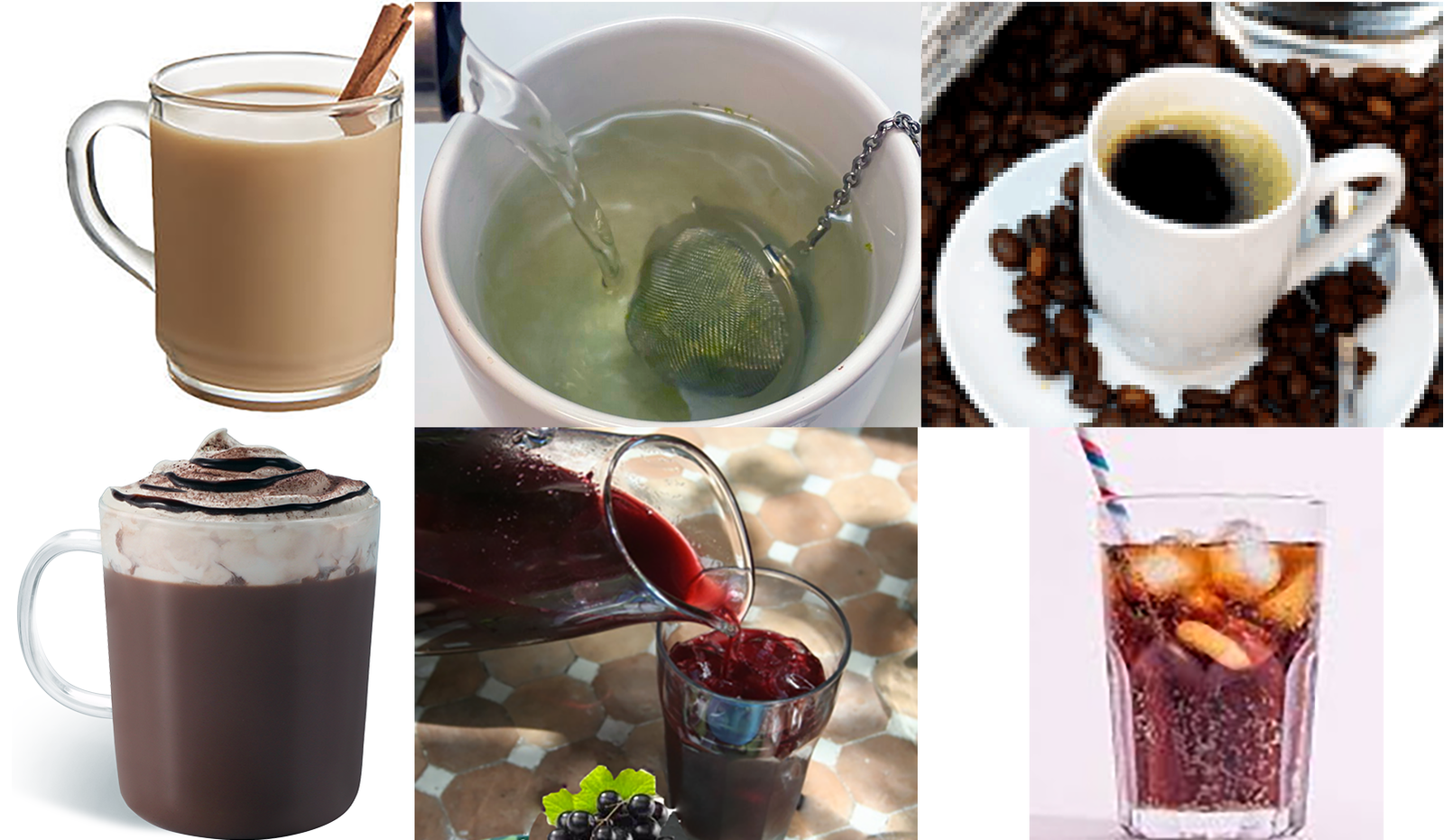 Six common hot and cold beverages.
Welcome to FabulousFusionFood's Drinks Recipes Page — A drink or beverage is a liquid intended for human consumption. In addition to their basic function of satisfying thirst, drinks play important roles in human culture. Common types of drinks include plain drinking water, milk, juice, smoothies and soft drinks. Traditionally warm beverages include coffee, tea, and hot chocolate. Caffeinated drinks that contain the stimulant caffeine have a long history.
Water is the world's most consumed drink, however, 97% of water on Earth is non-potable salt water.[28] Fresh water is found in rivers, lakes, wetlands, groundwater, and frozen glaciers. Less than 1% of the Earth's fresh water supplies are accessible through surface water and underground sources which are cost effective to retrieve. In western cultures, water is often drunk cold. In the Chinese culture, it is typically drunk hot. Water is the chief constituent in all drinks, and the primary ingredient in most. Water is purified prior to drinking. Methods for purification include filtration and the addition of chemicals, such as chlorination. The importance of purified water is highlighted by the World Health Organization, who point out 94% of deaths from diarrhoea – the third biggest cause of infectious death worldwide at 1.8 million annually – could be prevented by improving the quality of the victim's environment, particularly safe water. Before the advent of modern purification processes, boiling was the typical method of sterilizing water and this explains the advent of drinks such as tea an beer.
Milk is regarded as one of the "original" drinks;[32] milk is the primary source of nutrition for babies. In many cultures of the world, especially the Western world, humans continue to consume dairy milk beyond infancy, using the milk of other animals (especially cattle, goats and sheep) as a drink.
In the modern world, carbonated drinks which have carbon dioxide dissolved into them are a major commercial drink. Though drinks carbonated through the action of yeast (think ginger beer). the first commercially available artificially carbonated drink is believed to have been produced by Thomas Henry in the late 1770s.
Tea, the second most consumed drink in the world, is produced from infusing dried leaves of the Camellia sinensis shrub, in boiling water.[44] There are many ways in which tea is prepared for consumption: lemon or milk and sugar are among the most common additives worldwide. Other additions include butter and salt in Bhutan, Nepal, and Tibet; bubble tea in Taiwan; fresh ginger in Indonesia, Malaysia and Singapore; mint in North Africa and Senegal; cardamom in Central Asia; rum to make Jagertee in Central Europe; and coffee to make yuanyang in Hong Kong. Tea is also served differently from country to country: in China, Japan and South Korea tiny cups are used to serve tea; in Thailand and the United States tea is often served cold (as "iced tea") or with a lot of sweetener; Indians boil tea with milk and a blend of spices as masala chai; tea is brewed with a samovar in Iran, Kashmir, Russia and Turkey; and in the Australian Outback it is traditionally brewed in a billycan.[45] Tea leaves can be processed in different ways resulting in a drink which appears and tastes different. Chinese yellow and green tea are steamed, roasted and dried; Oolong tea is semi-oxidised and appears green-black and black teas are fully oxidised Coffee is a brewed drink prepared from the roasted seeds of several species of an evergreen shrub of the genus Coffea. The two most common sources of coffee beans are the highly regarded Coffea arabica, and the "robusta" form of the hardier Coffea canephora. Coffee plants are cultivated in more than 70 countries. Once ripe, coffee "berries" are picked, processed, and dried to yield the seeds inside. The seeds are then roasted to varying degrees, depending on the desired flavour, before being ground and brewed to create coffee. Around the world, people refer to other herbal infusions as "teas"; it is also argued that these were popular long before the Camellia sinensis shrub was used for tea making. Leaves, flowers, roots or bark can be used to make a herbal infusion and can be bought fresh, dried or powdered. Fruit juice is a natural product that contains few or no additives. Citrus products such as orange juice and tangerine juice are familiar breakfast drinks, while grapefruit juice, pineapple, apple, grape, lime, and lemon juice are also common. Coconut water is a highly nutritious and refreshing juice. Many kinds of berries are crushed; their juices are mixed with water and sometimes sweetened. Raspberry, blackberry and currants are popular juices drinks but the percentage of water also determines their nutritive value. Grape juice allowed to ferment produces wine.
The alphabetical list of all the drinks recipes on this site follows, (limited to 100 recipes per page). There are 403 recipes in total:
Page 2 of 5
| Double Melon Smoothie Origin: American | Granizado de Limón (Iced Lemon Crush) Origin: Spain | Jus de Citron (Lime Juice Drink) Origin: Senegal |
| Dried Rose Apple Tea Origin: China | Green Pineappleweed Tea Origin: Britain | Jus de Foléré Origin: Guinea |
| Dried Safflower Petal Tea Origin: Britain | Green Tea Smoothie Origin: Britain | Jus de Madd (Madd Juice) Origin: Senegal |
| Dulce Origin: Belize | Guava Juice Origin: Bahamas | Jus de Souchet (Tiger Nut Milk) Origin: Burkina Faso |
| Eggnog Origin: Britain | Halloween Sparkle Punch Origin: America | Jus de Tamarin (Tamarind Drink) Origin: Senegal |
| Elderflower Cordial Origin: Britain | Harvest Drink Origin: England | Jus Goyave (Guava Juice Drink) Origin: Senegal |
| Elderflower Cordial Origin: Ancient | Hazelnut Milk Origin: Britain | Kama Origin: Estonia |
| Elderflower Cordial II Origin: Britain | Hibiscus and Redcurrant Tea Origin: Fusion | Karakandji de Centrafrique (Central African Republic Hibiscus Flower Drink) Origin: Central African Republic |
| Espresso and Tonic Origin: Britain | Hollyhock Salad Dressing Origin: America | Karakanji (Hibiscus Flower and Ginger Drink) Origin: Central African Republic |
| Everything but the Kitchen Sink Smoothie Origin: American | Hollyhock Tea Origin: Britain | Karkanji Origin: Chad |
| Feuerzangenbowle (Christmas Flaming Mulled Wine) Origin: Germany | Honeydew Agua Fresca Origin: Mexico | Kazakh Chai (Kazakh Tea) Origin: Kazakhstan |
| Flaxseed Smoothie Origin: American | Horchata (Chilled Almond Drink) Origin: Spain | Kemyskans Haf (Summer Punch) Origin: England |
| French 75 Cocktail Origin: Traditional Cocktail | Horchata Origin: Mexico | Kesar Lassi (Saffron Lassi) Origin: India |
| Fresco de Arrayan Origin: El Salvador | Horchata de Chufas (Tiger Nut Milk) Origin: Spain | Kharroob (Egyptian Carob Drink) Origin: Egypt |
| Fresh Fruit Smoothie Origin: American | Hot Buttered Rum Origin: Britain | Kokam Sharbat Origin: India |
| Fresh Pennywort Drink Origin: Britain | Hot Caramel Apple Drink Origin: American | Krækiberjasaft Safa (Raw Crowberry Juice) Origin: Iceland |
| Frozen Banana Smoothie Origin: American | Hypocras Origin: France | Kunu Zaki (Millet Kunu Drink) Origin: Nigeria |
| Fruit Smoothie with Ginseng Origin: American | Iced Milo Origin: Australia | Kuwaiti Cinnamon Tea Origin: Kuwait |
| Fruity Banana Smoothie Origin: American | Iced Milo Origin: Christmas Island | Kvass Origin: Belarus |
| Fuzzy Banana Navel Smoothie Origin: American | Iced Milo Origin: Norfolk Island | Kykeon (Barley Water) Origin: Roman |
| Gül Şurubu (Rose Syrup) Origin: Turkey | Iced Milo Origin: Singapore | Lémou Hari (Lemon Juice with Ginger) Origin: Niger |
| Gala Apple Smoothie Origin: American | Imbila (Sour Porridge) Origin: South Africa | Laban (Yoghurt Drink) Origin: Saudi Arabia |
| Galidossi Origin: Togo | Instant Breakfast Powder Mix Origin: American | Laban Origin: Lebanon |
| Gazpacho Smoothie Origin: American | Jamaican Sea Moss Drink Origin: Jamaica | Lait de Corossol (Soursop Milk) Origin: Senegal |
| Giliø kava (Acorn Coffee) Origin: Lithuania | Japanese Knotweed and Elderflower Drink Origin: Britain | Lassi Origin: India |
| Ginger Ale Origin: South Africa | Japanese Knotweed Syrup Origin: Britain | Lavender Lemonade Origin: American |
| Ginger Beer Origin: Chad | Jugo de Avena (Oat and Coconut Smoothie) Origin: Dominican Republic | Lemon Sweet Tart Smoothie Origin: American |
| Ginger Tropical Smoothie Origin: American | Jugo de Guayaba (Guava Juice) Origin: Ecuador | Lemon Verbena Lemonade Origin: Britain |
| Ginjabeer Origin: Equatorial Guinea | Jugo de Tomatillo (Tomatillo Juice) Origin: Ecuador | Lemon Watermelon Smoothie Origin: American |
| Gnamakoudji (Ivorian Ginger Drink) Origin: Cote dIvoire | Juis de Corossol (Soursop Drink) Origin: Senegal | Lemon-flavoured Snapple Iced Tea Origin: American |
| Gnamakoudji (Ginger and Fruit Juice Drink) Origin: Cote dIvoire | Jus de Bissap Origin: Senegal | Lemonadha Siropi (Lemon Squash) Origin: Cyprus |
| Gnamakoudji (Ginger Juice) Origin: Cote dIvoire | Jus de Bissap Malienne (Malian Hibiscus Flower Juice) Origin: Mali | Lemongrass Ginseng Tea Origin: Singapore |
| Gnamkouji avec Jus Citron (Ginger and Lemon Drink) Origin: Cote dIvoire | Jus de Bouye (Baobab Fruit Drink) Origin: Mauritania | |
| Grand Champagne Cocktail Origin: Traditional Cocktail | Jus de Bouye (Baobab Fruit Drink) Origin: Senegal |
Page 2 of 5